
How Long Does Car Wrapping Last?
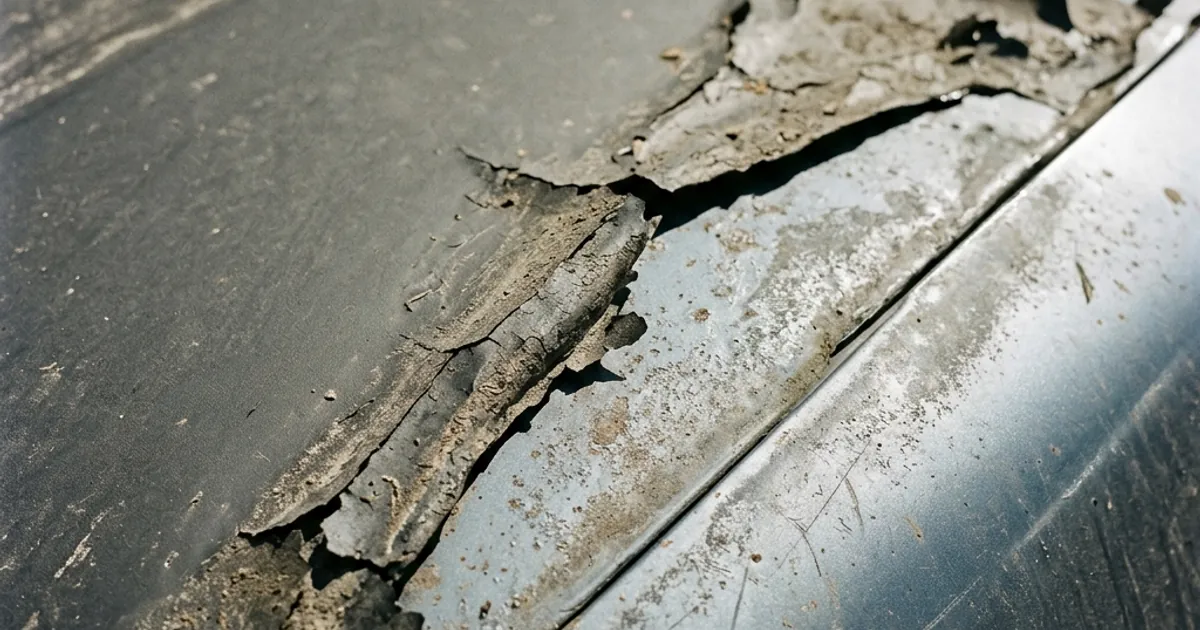
A professionally installed car wrap in Dubai typically lasts 3 to 7 years, depending on the material used, quality of installation, and how the vehicle is maintained. Premium vinyl films from brands like 3M and Avery Dennison sit at the upper end of that range, while speciality finishes such as chrome or colour-shifting wraps tend to have a shorter lifespan of 2 to 5 years. In Dubai's extreme heat and high UV environment, proper aftercare is especially critical to maximising longevity.
Durability by Material Type
Not all wrap films are created equal. The type of vinyl you choose is the single biggest factor in how long your wrap will last. Below is a breakdown of expected lifespan for each major finish category when installed professionally and maintained correctly in a Dubai environment.
| Material / Finish | Expected Lifespan | Notes |
|---|---|---|
| Vinyl Gloss | 5 – 7 years | Most durable decorative finish; smooth surface resists dirt build-up |
| Matte Vinyl | 4 – 6 years | Textured surface needs more careful cleaning; shows marks more easily |
| Satin Vinyl | 4 – 6 years | Mid-point between gloss and matte in both look and maintenance |
| Carbon Fibre Vinyl | 3 – 5 years | Textured surface traps dust; popular for accent panels and roof wraps |
| Chrome Vinyl | 2 – 4 years | Highly reflective but thinner and less UV-resistant; complex to install |
| Colour-Shifting / Chameleon | 3 – 5 years | Multi-layer pigment structure is sensitive to sustained high heat |
| Paint Protection Film (PPF) | 7 – 10 years | Thicker urethane film; self-healing top coat; primarily protective |
If you are choosing between finishes, our gloss wrap, matte wrap, and carbon fibre wrap pages provide deeper comparisons including pricing and visual examples.
How Dubai's Climate Affects Wrap Lifespan
Dubai presents one of the most challenging environments in the world for vehicle wraps. Understanding these conditions is essential when setting realistic expectations for how long your wrap will perform.
Extreme Surface Temperatures
Ambient summer temperatures in Dubai regularly exceed 45°C, but the real danger is surface temperature. Dark-coloured vehicles parked in direct sunlight can see panel temperatures climb above 80°C. At these temperatures, vinyl adhesive softens, making edges more prone to lifting and accelerating overall degradation. This is why Dubai-based wraps typically have a shorter lifespan than the manufacturer's global rating, which is usually tested under milder European or North American conditions.
UV Index Consistently Above 10
Dubai records a UV index of 10 or higher for roughly eight months of the year. Sustained UV exposure breaks down the polymers and pigments in vinyl film, causing colour fade and brittleness. Gloss wraps with a built-in UV-blocking clear coat (standard on premium brands) handle this better than budget films, which can show noticeable fading within 18 months.
Sand and Dust Abrasion
Fine desert sand carried by shamal winds acts as a mild abrasive on wrap surfaces. Over time, this micro-scratching dulls gloss finishes and can degrade the protective top layer. Vehicles frequently driven on Emirates Road or through areas near construction sites accumulate particulate damage faster. Regular gentle washing removes abrasive particles before they can cause significant wear.
Humidity Fluctuations
While Dubai is broadly arid, coastal humidity can spike above 90% during summer nights. These humidity swings cause vinyl to expand and contract slightly, stressing adhesive bonds over time. Vehicles parked outdoors near the coast (Jumeirah, Dubai Marina, Palm Jumeirah) may experience edge lifting sooner than those kept in interior areas like Al Quoz or Dubai Silicon Oasis.
Indoor vs Outdoor Parking Impact
Where you park your vehicle has a measurable impact on wrap longevity. A wrap on a car that is garaged or parked in a covered structure can last 1.5 to 2 times longer than the same wrap on a vehicle left in open sun daily.
In Dubai, this distinction is critical. A gloss wrap on a garaged vehicle can comfortably reach 7 years, while the same film on a car parked outside an office building in Business Bay without shade may start showing fatigue at 3 to 4 years. If covered parking is not available at your home or workplace, investing in a breathable car cover (specifically designed for wrapped vehicles) is a practical alternative that costs a fraction of an early re-wrap.
Multi-storey car parks common in Dubai malls and residential towers offer excellent protection. Even partial shading, such as a carport roof without side walls, reduces surface temperatures by 15–20°C and blocks the worst of the midday UV, making a significant difference over the life of the wrap.
Signs Your Wrap Is Failing
Knowing when your wrap is reaching the end of its useful life lets you plan removal or replacement before damage becomes harder (and more expensive) to deal with. Watch for these warning signs:
- Lifting edges: Vinyl peeling away from panel edges, door handles, or mirror caps. This is often the first sign and can sometimes be re-sealed if caught early.
- Colour fading: Uneven fading across panels, especially horizontal surfaces (bonnet, roof) that receive the most sun. Compare a protected area (inside a door jamb) with an exposed panel to gauge severity.
- Bubbling: Air or moisture trapped beneath the film creating visible bubbles. Small isolated bubbles can be repaired, but widespread bubbling indicates adhesive failure.
- Cracking and brittleness: Vinyl that has lost its flexibility and cracks when pressed or flexed. This means the plasticisers in the film have broken down, usually from prolonged heat and UV exposure. Cracked vinyl should be removed promptly to prevent adhesive residue from bonding to the paint.
- Staining or discolouration: Permanent marks from bird droppings, tree sap, or industrial fallout that no longer respond to cleaning. This indicates the top coat has failed.
Maintenance Tips to Extend Wrap Life
Proper maintenance is the most controllable factor in wrap longevity. Dubai vehicle owners who follow these practices consistently report wraps lasting 1–3 years longer than those who do not.
Hand Wash Only
Always hand wash wrapped vehicles using a pH-neutral automotive shampoo and a microfibre mitt. Automated car washes with spinning brushes can scratch and lift edges. Touchless automatic washes are safer but still use high-pressure water that can compromise seams.
Avoid Pressure Washers on Edges
If you use a pressure washer, keep the nozzle at least 30 cm from the surface and never aim directly at wrap edges or seams. Water forced under the film will weaken adhesive and accelerate peeling. Use a wide-angle (40-degree) nozzle rather than a pinpoint jet.
Apply Ceramic Coating Over the Wrap
A ceramic coating applied over vinyl wrap adds a sacrificial UV-blocking and hydrophobic layer. This is especially valuable in Dubai's climate. A good ceramic coat costs AED 1,500–3,000 but can extend wrap life by 2+ years and makes routine washing faster and easier. Many premium wrap shops in Al Quoz and Dubai Investment Park offer ceramic coating as a package add-on.
Use Covered Parking
As discussed above, covered parking is the single most effective way to protect your wrap. If covered parking is unavailable, use a high-quality breathable car cover. Avoid cheap plastic covers, which can trap heat and moisture against the film.
Address Damage Promptly
Small tears, stone chips, or lifting edges should be repaired immediately. A quick edge re-seal at a local installer costs AED 100–300 and prevents a minor issue from becoming a full-panel re-wrap costing AED 1,500+.
Warranty Expectations from UAE Installers
Understanding what your warranty covers (and what voids it) is essential when choosing an installer. Here is what to expect from reputable Dubai-based wrap shops.
What Is Typically Covered
- Peeling or lifting caused by installation defects
- Bubbling that develops within the warranty period
- Adhesive failure under normal use conditions
- Material defects (discolouration, delamination of the film layers)
What Typically Voids the Warranty
- Damage from accidents, vandalism, or collisions
- Use of abrasive cleaning products, harsh chemicals, or automatic car washes
- Modifications or repairs by a third party
- Leaving the vehicle outdoors without protection for extended periods (some installers specify this)
- Failure to follow the installer's aftercare instructions
Standard warranty periods from UAE installers range from 1 to 3 years on workmanship. Shops using premium films may offer up to 5 years. The film manufacturer's own warranty (e.g., 3M's MCS Warranty) is separate and covers material defects only. Always request written warranty terms before committing to an installation. Our installer directory lists verified shops with transparent warranty policies.
Brand Matters: 3M vs Avery Dennison vs Hexis vs KPMF
The film brand your installer uses has a direct impact on durability, colour consistency, and ease of removal. Here is how the four most commonly used brands in Dubai compare.
3M (1080 / 2080 Series)
3M is the most widely available wrap film in the UAE and is considered the industry benchmark. Their 2080 series features Controltac repositionable adhesive and Comply air-release channels, which allow for cleaner installation and easier removal years later. Expected lifespan in Dubai: 5–7 years for gloss, 4–6 for matte. 3M films carry a manufacturer warranty of up to 3 years for vertical applications (and less for horizontal surfaces like bonnets and roofs).
Avery Dennison (Supreme Wrapping Film)
Avery Dennison's Supreme Wrapping Film (SW900 series) is prized for its colour range and conformability on complex curves. It uses Easy Apply RS adhesive technology with air-egress channels. Many Dubai installers prefer Avery Dennison for matte and satin finishes due to the film's consistent texture. Expected lifespan is comparable to 3M: 5–7 years for gloss, 4–6 for matte.
Hexis
Hexis is a French manufacturer gaining popularity in the Gulf region. Their HX20000 and HX30000 series offer competitive performance at a slightly lower price point. Hexis films are well-regarded for colour accuracy and UV resistance, with an expected lifespan of 4–6 years for standard finishes. However, Hexis has a smaller distribution network in the UAE, so availability of specific colours can be limited.
KPMF
KPMF is a UK-based brand known for its specialty finishes, including some of the most striking colour-shifting and iridescent films on the market. Their K75400 series is commonly used for accent wraps and full colour changes on luxury vehicles in Dubai. Expected lifespan is 3–5 years for specialty finishes and 4–6 for standard colours. KPMF films can be slightly more difficult to source in the UAE compared to 3M and Avery Dennison.
Regardless of brand, always verify that your installer is using genuine film from an authorised distributor. Counterfeit and grey-market vinyl is a known issue in the region and will not perform to specification.
When to Replace vs Repair
A full vehicle re-wrap in Dubai typically costs AED 4,000 to AED 15,000+ depending on the vehicle and material, so knowing whether a repair will suffice can save significant money.
When Repair Makes Sense
- Damage is isolated to one or two panels (e.g., a stone chip on the bonnet, a scratch on one door)
- Edges are lifting in a small area and can be re-sealed
- The rest of the wrap is in good condition with consistent colour
- The wrap is less than 3 years old and still flexible, not brittle
When Full Replacement Is Necessary
- Fading is visible across multiple panels
- Vinyl has become brittle and cracks when you press a fingernail into it
- Bubbling or adhesive failure is widespread
- You want a colour change or different finish anyway — patching with new film will not match aged vinyl
For a broader comparison of wrapping versus repainting, see our car wrap vs paint guide.
How Proper Installation Affects Longevity
Even the best vinyl film will fail prematurely if installed incorrectly. Installation quality is arguably as important as material choice for long-term durability. Here is what separates a professional installation from a poor one:
Surface Preparation
The vehicle must be thoroughly cleaned, decontaminated (clay bar treatment), and dried before any film is applied. Residual wax, polish, or silicone on the surface prevents proper adhesive bonding. Many budget installers skip this step to save time, resulting in lifting and bubbling within months.
Controlled Environment
Professional installations are carried out in a climate-controlled workshop. Dust particles trapped under the film create visible imperfections and weak points. Temperature and humidity control ensures consistent adhesive activation. Look for shops that have a dedicated, enclosed wrapping bay rather than an open workshop.
Edge Wrapping and Tucking
Edges should be wrapped around panel edges and tucked into seams wherever possible. “Knife-cut” edges (where the film is trimmed flush with the edge of a panel) are neater but more prone to lifting over time, especially in Dubai's heat. A skilled installer will use a combination of tucking and wrapping to balance aesthetics with durability.
Post-Heat Treatment
After application, the entire vehicle should receive a post-heat treatment. A heat gun is used to activate the adhesive around curves, recesses, and edges, ensuring permanent bonding. Skipping this step is a common cause of early edge failure. Premium installers will also re-inspect the vehicle 24–48 hours after installation to address any areas that need additional heat or re-sealing.
If you are evaluating installers, our Dubai wrap shop directory includes verified ratings and customer reviews to help you find a qualified professional. For further reading on protection options, see our PPF guide.