
5 Signs Your Car Wrap Needs Replacing
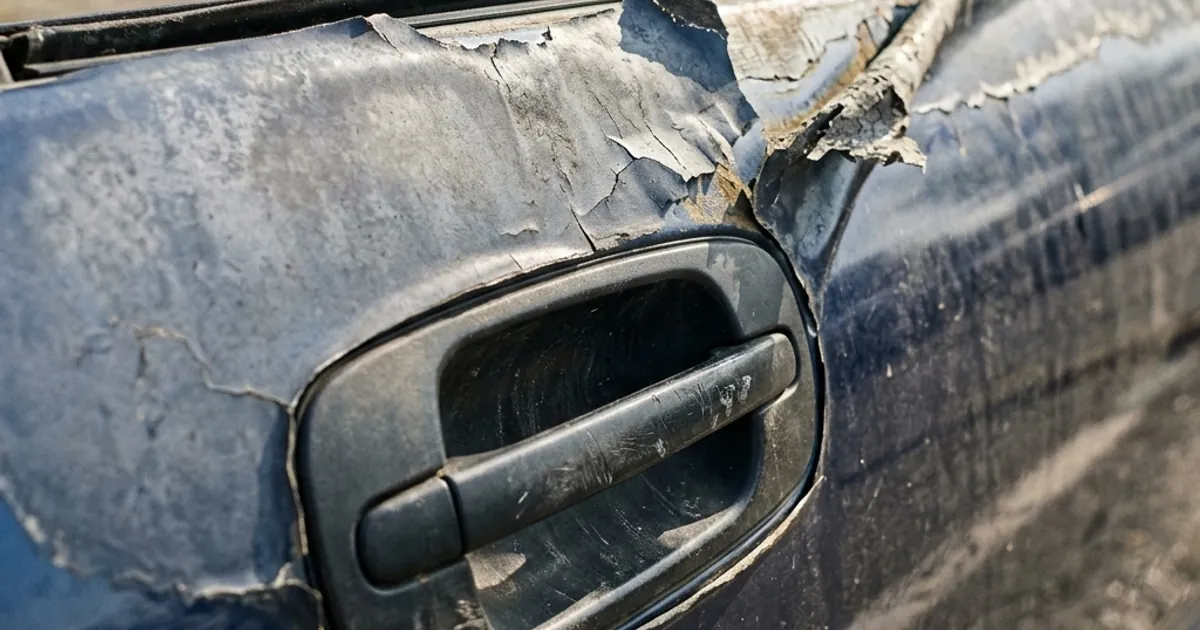
When Should You Replace Your Car Wrap?
Car wraps are designed to last, but nothing lasts forever — especially under the relentless Dubai sun. Whether you drive a colour-change wrap through the streets of Jumeirah or a branded fleet vehicle around Al Quoz industrial area, knowing when to replace your wrap saves you money and protects your factory paint underneath.
Here are the five clearest signs that your car wrap is past its prime and needs professional replacement.
1. Peeling Edges and Lifting Corners
The first and most obvious sign is peeling. Edges around door handles, wing mirrors, bumper lips, and panel seams are the most vulnerable. In Dubai, the combination of extreme heat (regularly exceeding 45°C in summer) and sand-laden winds accelerates adhesive breakdown at these stress points.
A small lifted edge might seem cosmetic, but it quickly becomes a bigger problem. Once air and moisture get beneath the vinyl, the adhesive weakens further, and the peel spreads. Sand particles work their way under the film, scratching your paintwork — the very thing the wrap was meant to protect.
What to do: If you notice lifting on one or two small areas, a skilled installer in our directory may be able to re-heat and re-seal the edges. But if peeling appears across multiple panels, a full replacement is the better investment.
2. Colour Fading and Discolouration
UV radiation in the UAE is among the most intense in the world. Even high-quality cast vinyl with UV-inhibiting laminates will eventually lose its colour vibrancy. Matte black wraps can turn grey, satin colours develop a chalky appearance, and gloss finishes lose their mirror-like sheen.
Cheaper calendered films — sometimes used by budget workshops in areas like Sharjah and Ajman — fade noticeably within 12 to 18 months. Premium cast films from brands like 3M 2080, Avery Dennison Supreme, or Hexis last significantly longer, typically three to five years in UAE conditions.
Discolouration is not just an aesthetic issue. Faded film becomes brittle and harder to remove cleanly. The longer you wait, the more likely the adhesive will leave residue that requires professional paint correction — an added expense of AED 1,500 to AED 4,000 depending on the vehicle.
Learn more about how long different materials last in our guide: How Long Does Car Wrapping Last?
3. Bubbling and Blistering
Bubbles in a car wrap fall into two categories: air bubbles from poor installation and heat blisters from prolonged sun exposure. If your wrap was installed correctly and you start seeing bubbles after a year or more, the culprit is almost certainly UV-induced adhesive degradation.
Dubai residents who park outdoors — particularly in areas without covered parking like some older neighbourhoods in Deira, Bur Dubai, and Satwa — see bubbling sooner than those who garage their vehicles. Covered parking extends the life of a wrap by one to two years in our experience.
A few isolated bubbles can sometimes be popped and re-sealed by a professional. However, widespread blistering across a bonnet or roof panel signals that the adhesive is failing throughout the film, and spot repairs are a waste of money.
4. Cracking Around Curves and Recesses
Vinyl film stretches during installation to conform to complex curves — bumper contours, fender flares, wing mirrors, and recessed door handles. That stretch creates tension in the material, and over time the film can crack along these stress lines.
This is especially common with colour-shift wraps and chrome finishes, which use thicker, less conformable films. In the extreme heat of a Dubai summer, the repeated thermal expansion and contraction cycle weakens stretched film faster.
Cracked film not only looks poor but exposes the underlying paint to UV, moisture, and contaminants. If you spot cracking on high-stress areas, the film has reached the end of its service life. When replacing, consider upgrading to a more conformable cast vinyl material that handles curves better.
5. Staining and Contamination That Won't Clean Off
Over time, environmental contaminants embed themselves into the film surface. In Dubai, this includes construction dust (particularly near ongoing developments in Dubai South, MBR City, and Expo City), road salt from coastal humidity, bird droppings, and tree sap.
When proper cleaning no longer removes stains, the film's protective laminate layer has been compromised. You might notice permanent water spots, yellowed patches, or dark marks that survive even professional detailing.
Regular maintenance extends film life considerably — washing every two weeks with a pH-neutral shampoo, avoiding automatic car washes with abrasive brushes, and applying a vinyl-specific sealant every six months. But once contamination is embedded, replacement is the only fix.
How Much Does Replacement Cost?
A full wrap replacement in Dubai typically costs between AED 3,500 and AED 8,000 depending on the vehicle size, material choice, and workshop quality. Premium workshops in Al Quoz and Dubai Investment Park generally charge AED 5,000 to AED 7,000 for a sedan using cast vinyl from a reputable brand.
Factor in the cost of removing the old wrap — typically AED 800 to AED 1,500 — and any paint correction needed underneath. Getting quotes from multiple providers is always wise. Browse rated workshops in our business directory to compare options.
Don't Wait Too Long
The longer you delay replacing a failing wrap, the higher the risk of paint damage underneath. A wrap that is removed on time leaves clean, protected paint. A wrap that is left to deteriorate can bond permanently to the clear coat, requiring expensive repainting.
Check your wrap regularly, especially as it approaches the three-year mark. If you spot any of the five signs above, get a professional assessment from a trusted car wrapping specialist in Dubai sooner rather than later.